




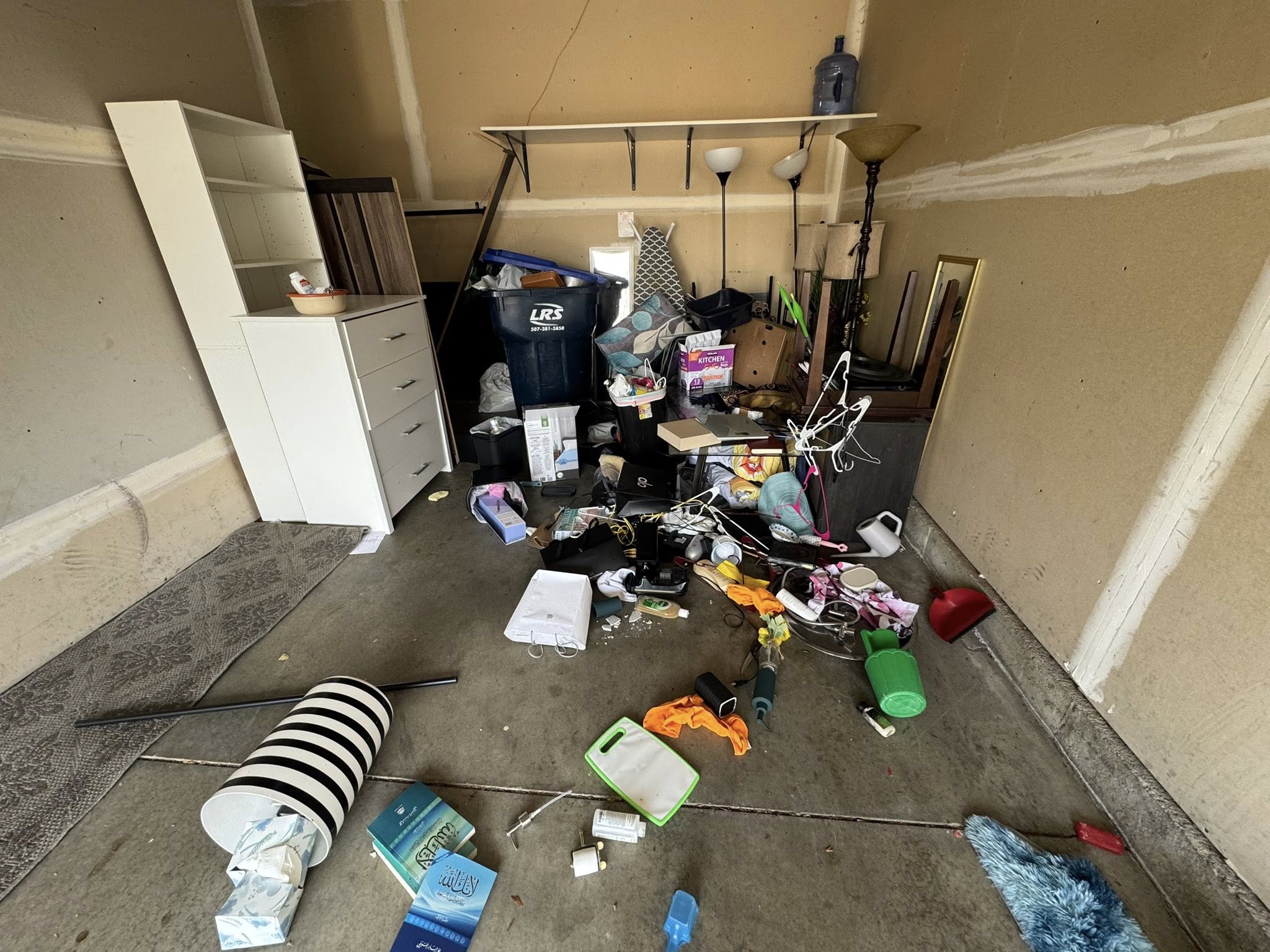

For real estate investors and legal professionals, a vacant foreclosure or eviction property represents frozen capital. Every day a property sits filled with a former occupant’s abandoned belongings is a day it incurs carrying costs instead of generating revenue. Returning these assets to the market quickly requires a precise blend of statutory compliance and aggressive logistical execution.
This guide outlines the critical legal and operational steps necessary to streamline the cleanout process without exposing your portfolio or clients to liability.
1. Confirm Legal Possession and Right to Clear
Before moving a single item, you must establish an absolute legal right to clear the premises. Proceeding prematurely can trigger severe legal liabilities, including claims of unlawful conversion or theft.
- Eviction Judgments: Never clear a property immediately after a court ruling. Ensure the local sheriff or marshal has formally executed the writ of possession and returned control to the owner.
- Foreclosure Timelines: Verify that the statutory redemption period—during which the former owner can legally reclaim the property—has entirely expired.
- Document Everything: Take comprehensive, timestamped photographs and videos of the property’s exterior and interior before any work begins to establish a baseline of its condition.
2. Navigate Abandoned Property Laws
State and local jurisdictions dictate strict guidelines regarding what must be done with personal items left behind. Real estate lawyers must guide investors carefully through these local mandates.
- Inventory Restrictions: Many states require a detailed, itemized inventory of all abandoned property valued above a specific dollar threshold.
- Mandatory Storage Periods: You may be legally obligated to store the former occupant’s belongings for a set timeframe (often 14 to 30 days) either inside the property or at a secure off-site facility.
- Notice Requirements: You must typically issue a formal notice to the former tenant or owner via certified mail, detailing how and where they can reclaim their belongings before disposal or public auction.
3. Build a Fast-Track Logistical Plan
Once legal requirements are met, logistical efficiency becomes the primary focus. Managing a cleanout internally is rarely cost-effective for high-volume investors or busy law firms.
- Hire Specialized Contractors: Avoid general day laborers. Partner with professional junk removal and property preservation companies that carry comprehensive liability insurance and understand local disposal regulations.
- Implement a Sorting System: Categorize left-behind items into clear streams: hazardous waste (paints, chemicals), electronics, high-value personal effects requiring storage, and general debris.
- Secure the Asset Simultaneously: Coordinate the cleanout team with locksmiths and contractors. As the property is cleared, change the locks, secure entry points, and install lockboxes immediately to prevent re-entry or vandalism.
4. Transition Rapidly to Property Preservation
A cleanout is only the first step in protecting your asset. Use the momentum of the cleanout to prepare the property for a swift market re-entry.
- Deep Cleaning and Sanitization: Professional cleanout crews should handle biohazards, mold, or severe odor remediation left behind by disgruntled occupants.
- Deferred Maintenance Assessment: Task your team with identifying structural, plumbing, or electrical issues hidden beneath the debris so repairs can begin concurrently.
- Winterization or Utility Management: Ensure utilities are either safely shut down or transferred to the investor’s name to prevent frozen pipes or further property degradation.
By aligning rigorous legal compliance with specialized, insured logistical partners, property investors and real estate attorneys can dramatically reduce days-on-market, mitigate risk, and maximize the recovery value of distressed real estate assets.
Disclaimer and Disclosure
The information provided on this website, including blog posts, articles, and guides regarding foreclosure and eviction clean-outs, is for general informational and educational purposes only.
We are not lawyers, legal experts, or real estate advisors.
Foreclosures and evictions are governed by complex and frequently changing federal, state, and local laws. The content on this blog does not constitute legal, financial, or professional real estate advice.
Before taking action or entering a property:
- Verify legal rights: Ensure you have the proper legal authority, writs, or bank permissions to access the property and remove items.
- Consult a professional: We strongly recommend consulting with a qualified attorney, local law enforcement, or a licensed real estate professional to understand your specific legal obligations and rights.
- Understand liability: Rules regarding tenant property abandonment, hazardous waste disposal, and property damage vary heavily by jurisdiction.
Limitation of Liability
While we strive to provide accurate and up-to-date information, [Insert Company Name] makes no representations or warranties of any kind, express or implied, about the completeness, accuracy, or reliability of the information contained on this website. Any reliance you place on such information is strictly at your own risk. In no event will we be liable for any loss, damage, or legal disputes arising from the use of this blog’s content.


Leave a Reply